St Albans
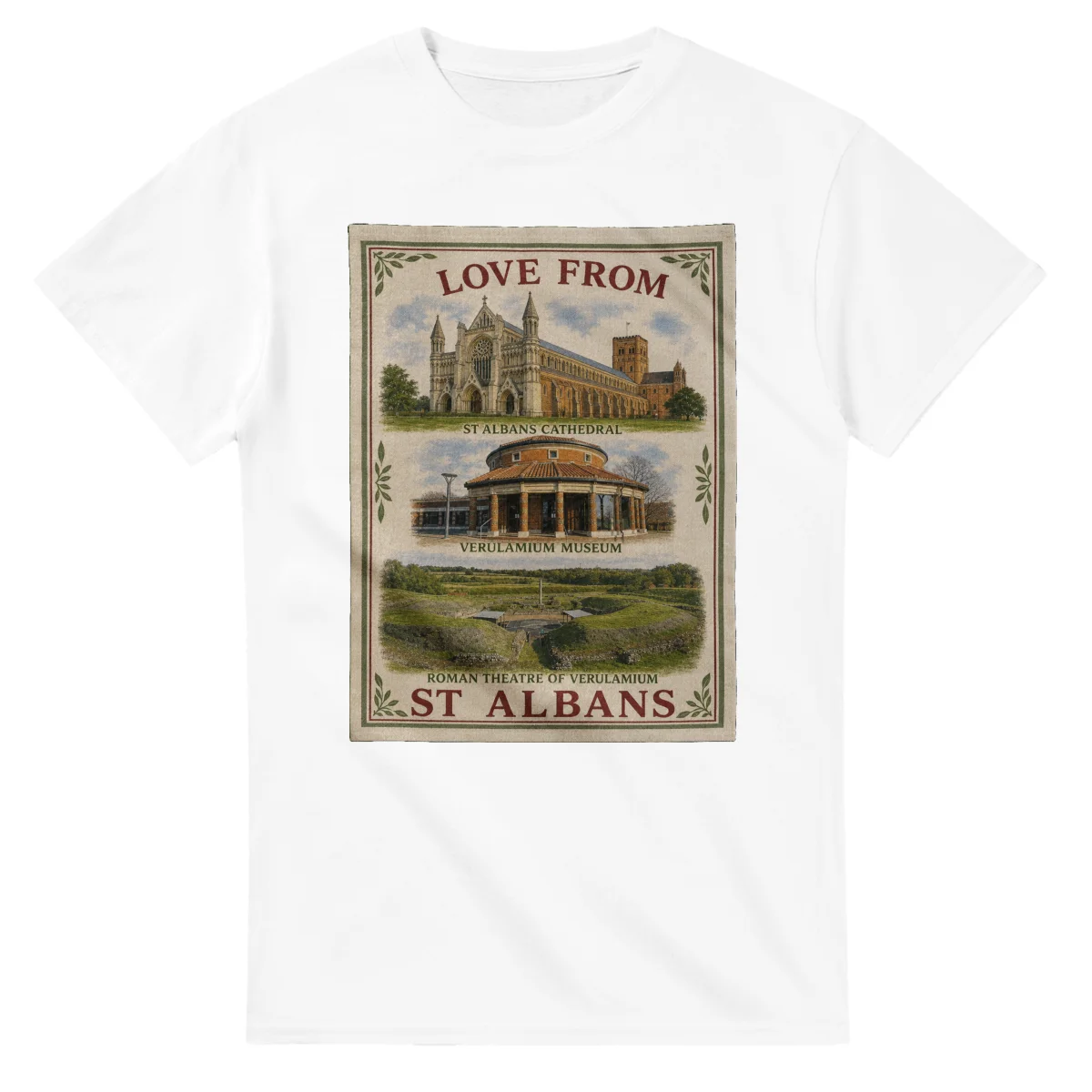
Love from St Albans
Choose options
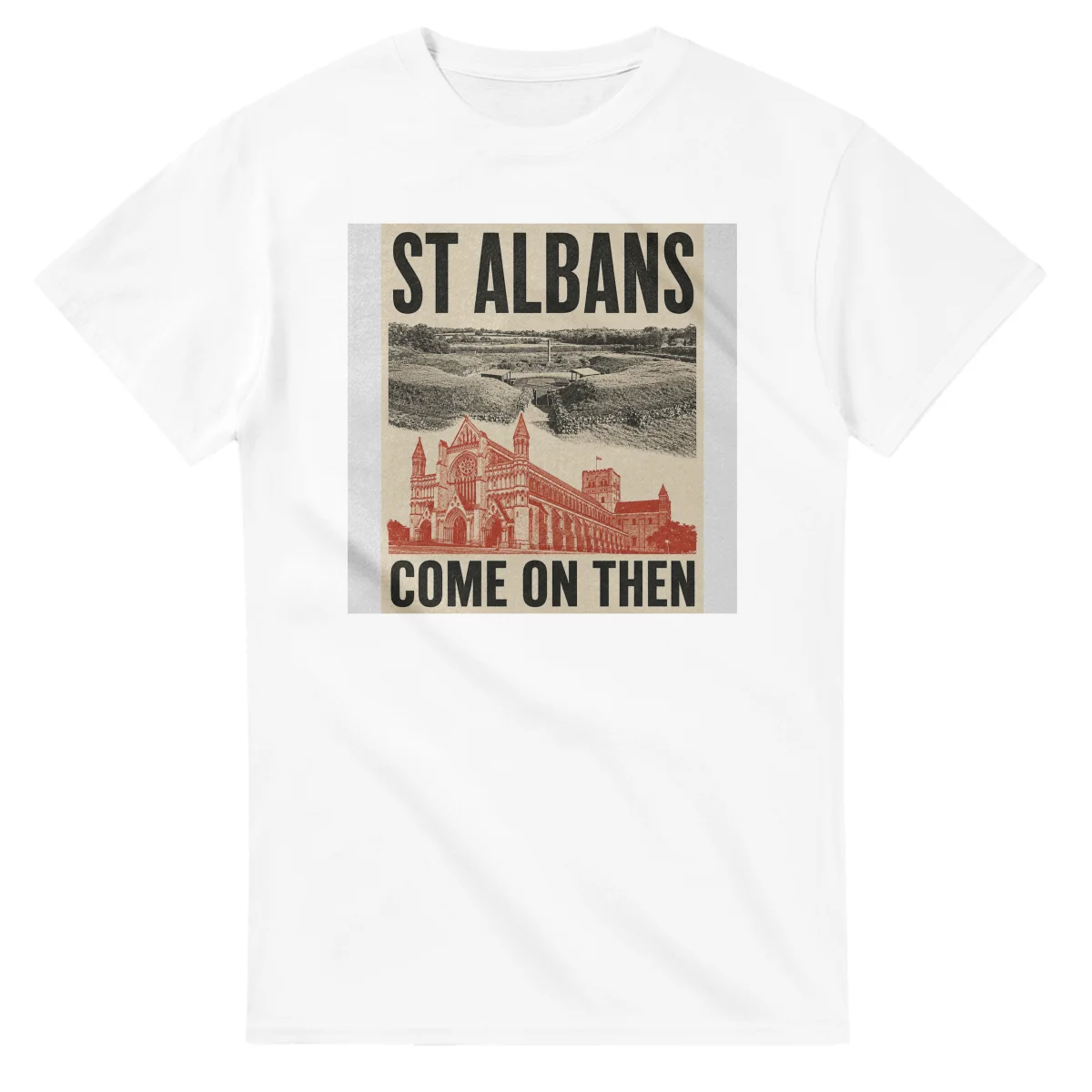
St Albans - Come On Then
Choose options
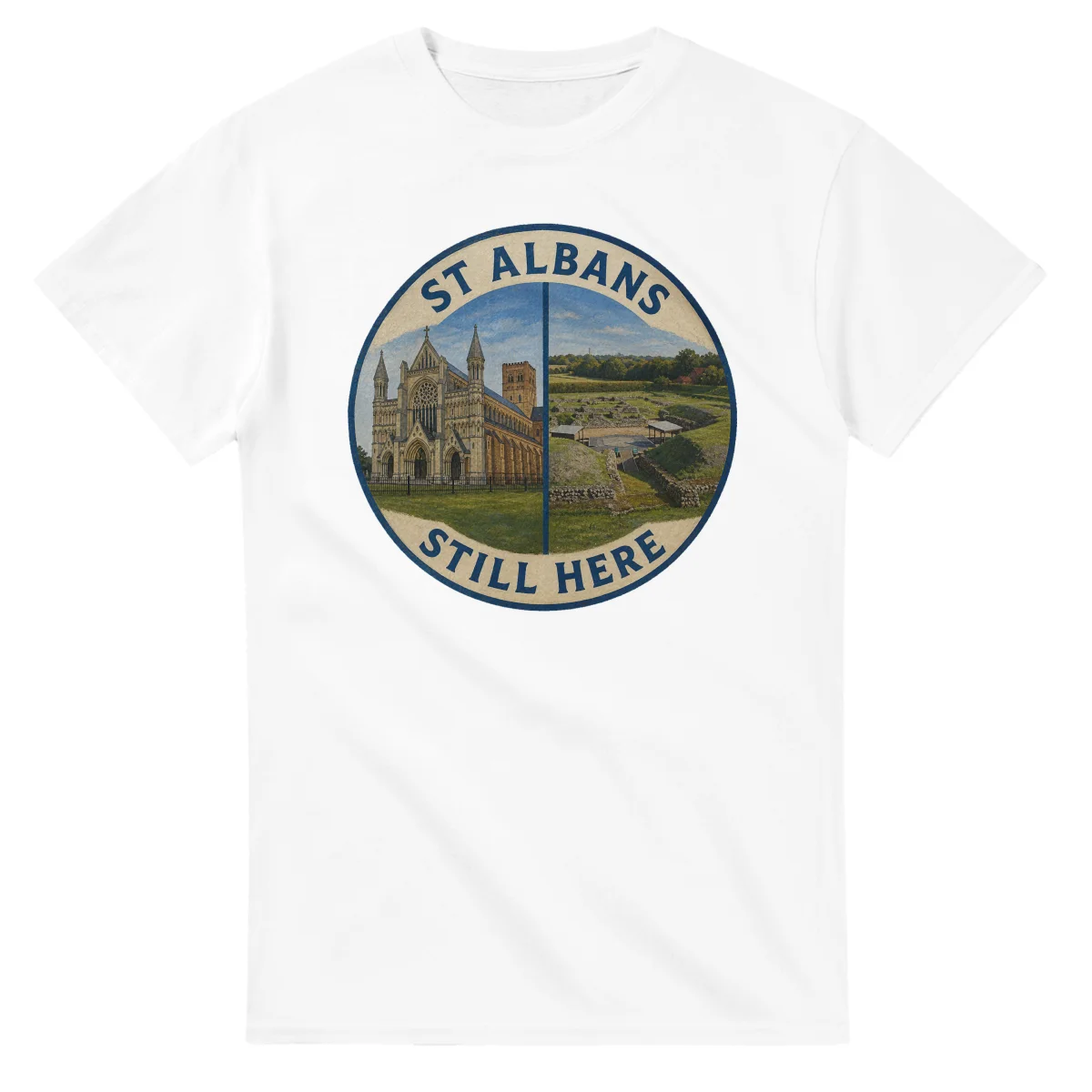
St Albans - Still Here
Choose options
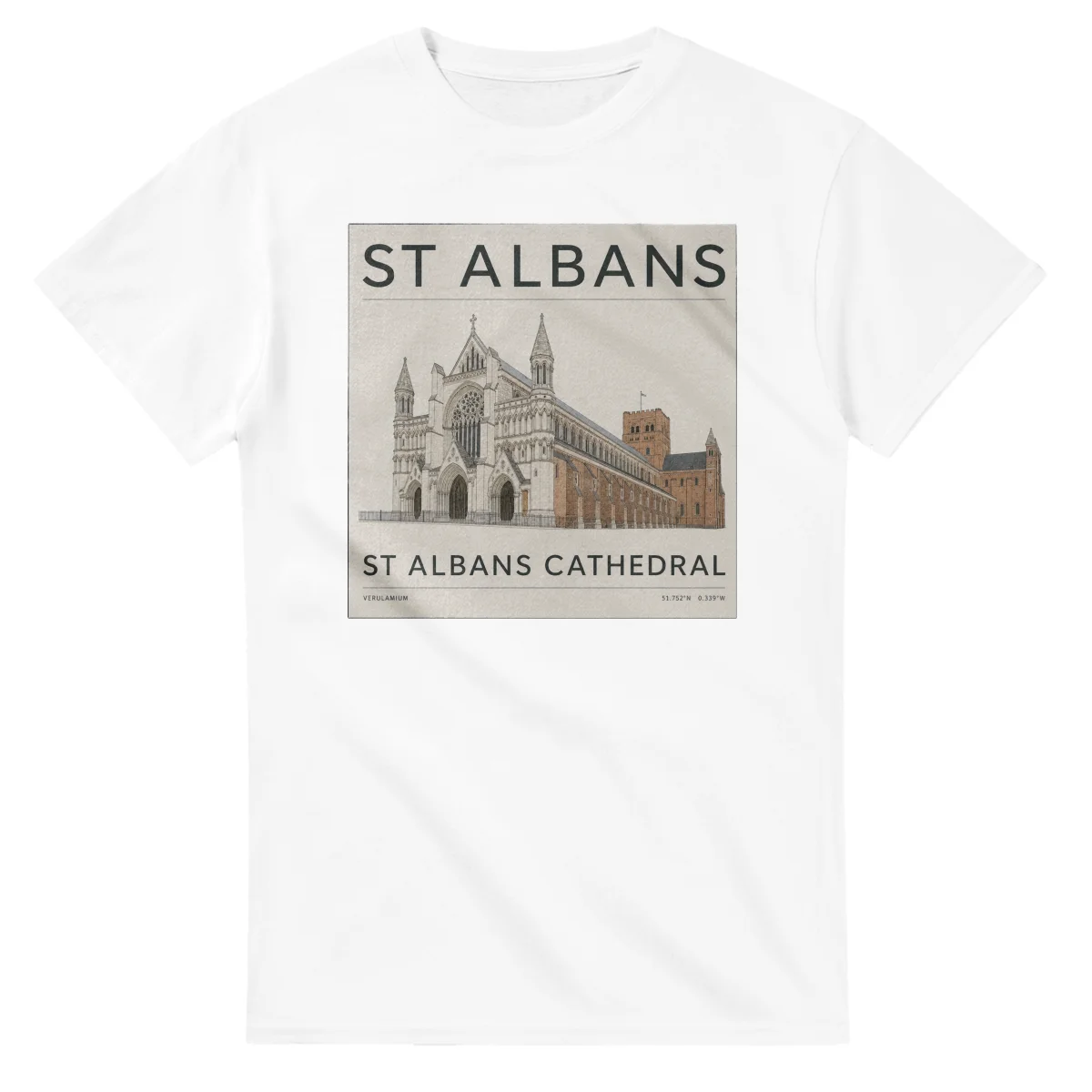
St Albans - The Details
Choose options
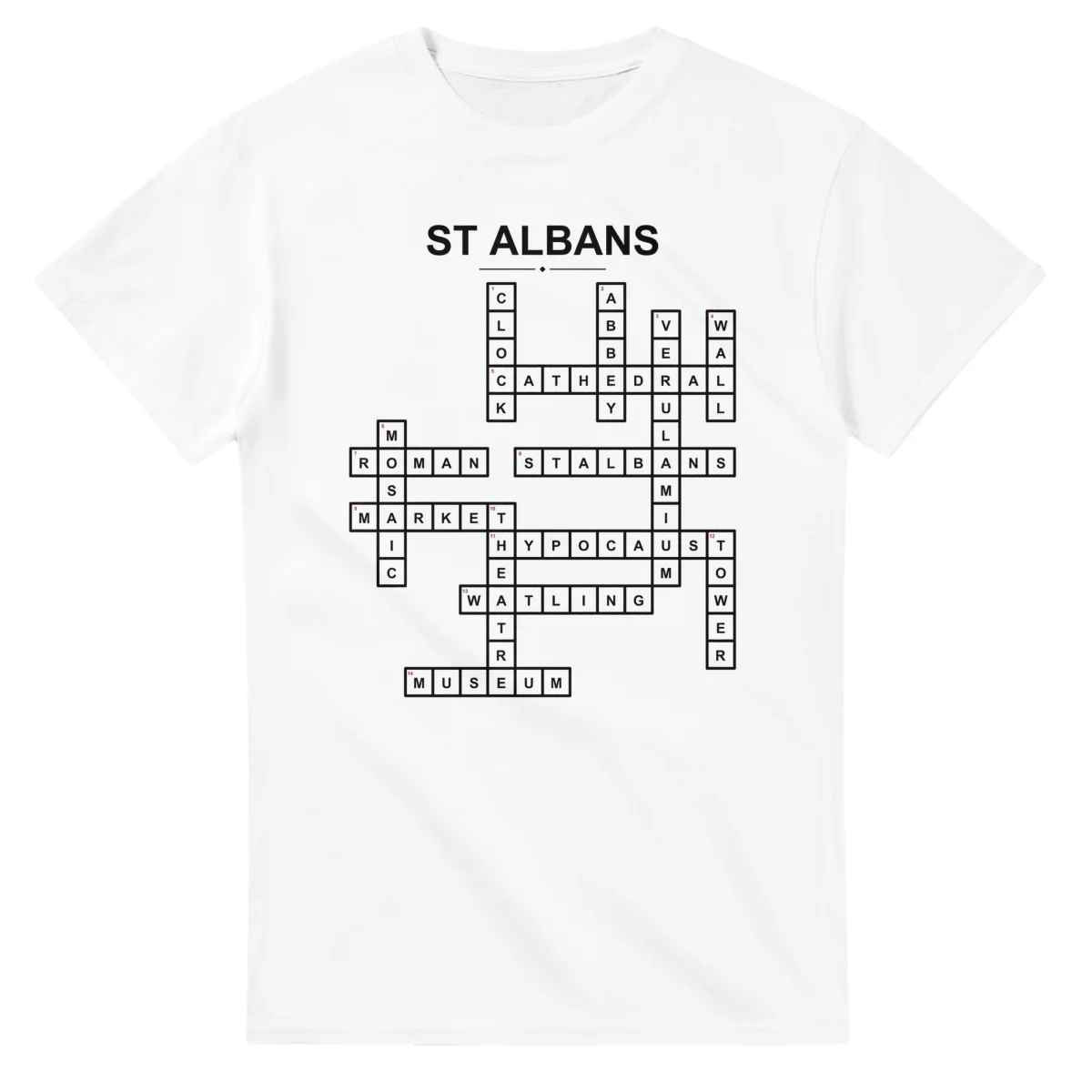
St Albans Crossword - Down Your Way
Choose options
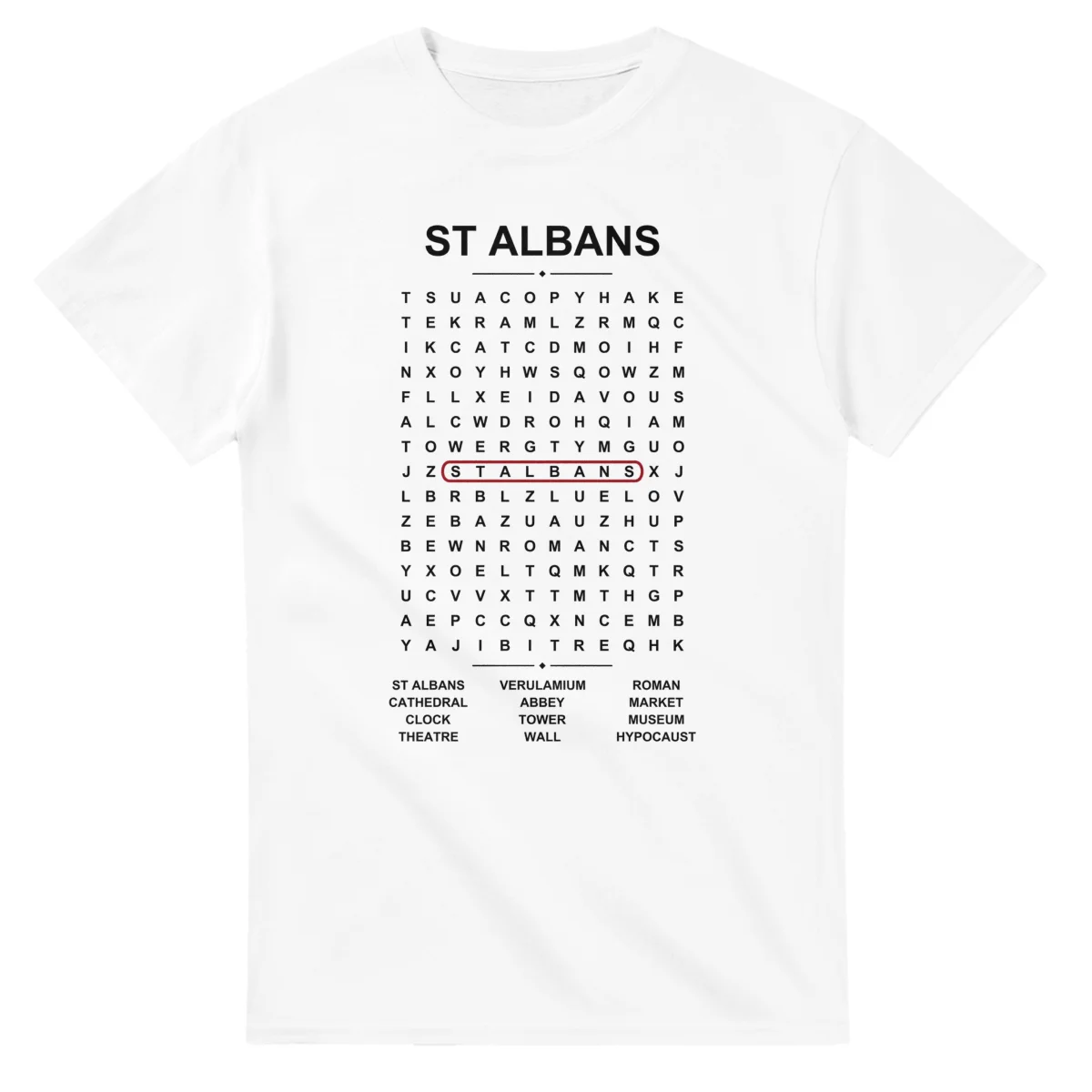
St Albans Word Search - Somewhere In Here
Choose options
A St Albans keepsake with history under its feet
Before the Roman conquest, the Catuvellauni occupied the area around what became Verulamium. The Roman town had a planned pattern of streets and roads connecting it with other settlements. Its theatre hosted plays, music and readings. Remains of the city walls and theatre can still be seen near Verulamium Museum, keeping named parts of the Roman town connected with the ground where they stood. The museum's account follows the settlement as a town with streets and public life, rather than treating it only as a collection of excavated objects.
In Verulamium Park, a hypocaust circulated heated air beneath a mosaic floor. The floor is thought to have belonged to a town house near Watling Street. Both the mosaic and the heating system remain in their original position. Mortimer and Tessa Wheeler began excavations at Verulamium in 1930, adding a modern archaeological chapter to the story of the Roman remains.
Materials from the Roman town were later reused in the Norman Abbey. The medieval Clock Tower tells a different story about St Albans and its abbey: completed by fourteen oh five, it was a symbol of resistance to the abbot. Its bell rang during the first Battle of St Albans. Roman building material, an excavated town house and the tower's bell connect distinct periods of the city's past.
Gift ideas: explore this hub's St Albans designs, then choose the image and format that suit the recipient. The Where It Happened map print can mark a home or another personal spot within the city. Also explore Love from St Albans, St Albans - Come On Then, Hertfordshire.